
Temporary Repairs That Do Not Cause Harm — Signs to Watch
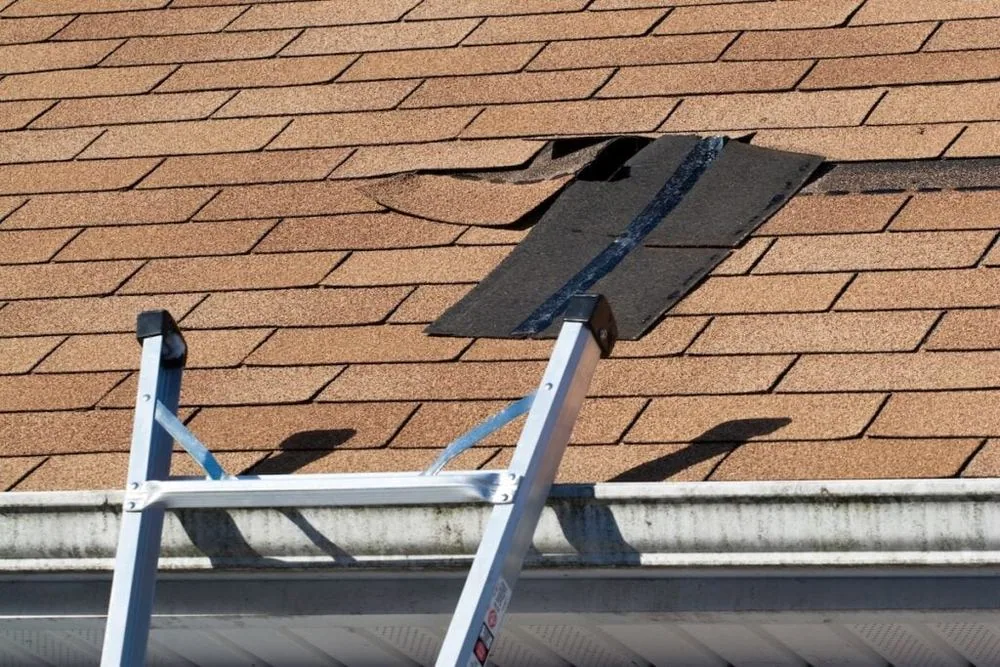
What you can check on storm damage in Whittier from the ground, safely, in ten minutes.
You can learn a lot about a roof without going anywhere near it, and none of the checks worth doing require climbing. This is what to look at on storm damage in Whittier, safely, from the ground.
What you can check yourself
Storm damage is a moment in time, and documenting it properly matters as much as repairing it. What is recorded in the first forty-eight hours decides how the rest of the process goes.
What to leave alone
Stay on the ground and use the attic. Binoculars from the driveway and a torch in the roof space find nearly everything worth finding. Temporary protection has to be done in a way that does not cause its own damage. A tarp fixed through a sound part of the covering creates new holes in a roof that did not have them. As soon as you find something you cannot explain, stop looking and get it assessed.
What is specific to Whittier
Whittier is open, dry and exposed, and the wind is what does the damage. Whittier events come down off the ridge with a good deal more force than the forecast suggests, carrying decomposed granite dust that works into every lap and scours the surface of a shingle or a coating. Larger lots with ranch-style single-storey homes, long low roof runs and plenty of outbuildings, all of it exposed on the windward side.
What we look at on an inspection
- Displaced, lifted or missing units, slope by slope
- Seal integrity on the windward elevation, checked by hand
- Ridge, hip and perimeter fixing after wind loading
- Impact marks, splits and any debris strike on the surface
- Flashing displacement at walls, chimneys and penetrations
- Gutters and downpipes for detachment and blockage
- Interior and attic inspection for water entry already in progress
Common questions
Is it safe to get on my own roof?
Generally no, and it is worth being blunt about it. Falls are the most common serious injury in this trade, and walking on a roof can damage the covering.
What can I check from inside?
A great deal. The attic shows staining, daylight through the deck and ventilation problems long before anything appears on a ceiling.
The honest summary
Get it documented, get it protected without adding damage, then get it assessed properly. Those three things in that order account for most good storm outcomes. In Whittier the thing to watch is perimeter and edge fixing, ridge attachment, and surface wear from wind-blown grit.
Free inspection, drone photography where access is difficult, and a written estimate with deck repair priced per sheet. No obligation.